Ménière’s disease studies look at vertigo attacks and the hearing between them.
Ménière’s disease is an inner ear condition in which attacks of vertigo arrive with little warning and then pass. Here is what studies in this area look at, how they test hearing around an attack and what to ask a study team.
What an episode of Ménière’s disease is like
An attack often starts with pressure or fullness in one ear, louder ringing and muffled hearing on that side. Then the room seems to spin, sometimes for under an hour and sometimes for many hours, often with nausea and vomiting. Most people need to lie still until it passes. Afterward they can feel washed out and unsteady for the rest of the day.
Between attacks many people feel well, though some keep a low ringing or a slight unsteadiness. Early on, hearing in the affected ear tends to come back after each attack. Over years it can stay lower, especially for deep sounds. Attacks may cluster over a few weeks and then stay away for months, which makes planning work, driving and travel hard.
Open questions that keep Ménière’s disease research going
Many people with Ménière’s disease have extra fluid in the inner ear, but not everyone with that fluid has attacks, so researchers still ask what actually sets an attack off. Open questions include the part played by salt, the immune system, migraine and blood flow, and how to stop attacks without losing more hearing or balance in the affected ear.
Research
What studies of Ménière’s disease look at
Salt, caffeine and diet
Whether cutting salt, caffeine or certain foods changes how often attacks come.
Treatments through the eardrum
Medicines placed in the middle ear, compared for calming attacks and keeping hearing.
Scans of inner ear fluid
Special imaging that shows fluid build-up inside the inner ear and how it shifts.
Slowing hearing loss
Approaches that aim to slow the drop in hearing that repeated attacks can bring.
Overlap with vestibular migraine
How the two conditions share symptoms and how studies tell them apart.
On record
How a study catches an episode of Ménière’s disease
An attack seldom happens in front of a researcher, so studies plan how they will see one.
A hearing test soon after an attack
Some studies ask you to come in within a day or so, so hearing can be set against a calm day.
Filming the eyes during vertigo
Video goggles or a phone camera capture the jerking eye movements that come with a spinning attack.
Logging each attack
You note the start, length and strength of each attack in the study’s own episode log.
Hearing checks at home
A tablet-based check lets you test the affected ear on good days and bad ones.
When an episode starts
When an attack starts, a study may ask you to film your eye movements with a phone or goggles it lends you, note how long the spinning lasts and use the study’s own line to book a hearing test soon after. Some studies supply a medicine to use only as told. None of this replaces your usual care or emergency help, and any treatment you already use stays as it is until your own doctor says otherwise.
On a calm day
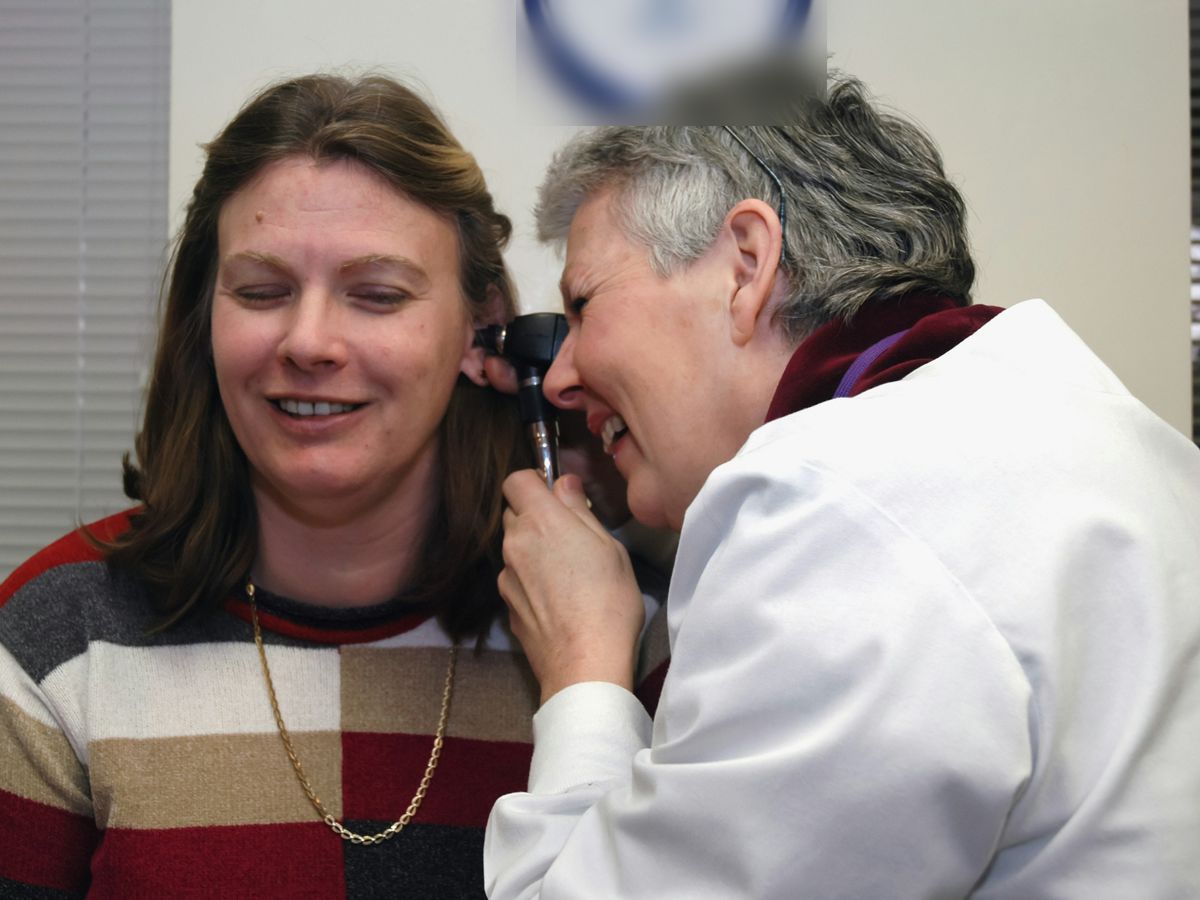
On a calm day, visits usually include a hearing test in a sound booth, a check of the eardrum and the pressure behind it, and balance tests in which you follow lights with your eyes or sit in a chair that turns slowly. Some studies add a scan of the inner ear. Results on a good day show where your hearing and balance sit when no attack is under way.
Questions for a Ménière’s disease study team
Keep this list by the phone and add whatever else is on your mind.
- How soon after an attack would you want to test my hearing?
- Will the study ask me to change how much salt I eat?
- Is any treatment given through the eardrum, and what does that feel like?
- Can I keep driving while I take part?
Words you may hear about Ménière’s disease
- Endolymphatic hydrops
- A build-up of the fluid inside the inner ear, thought to play a part in Ménière’s attacks.
- Tinnitus
- A ringing, roaring or buzzing sound heard in the ear when no outside sound is there.
- Nystagmus
- Rhythmic jerking movements of the eyes that often appear during a vertigo attack.
Ménière’s disease: what readers ask
The other five conditions
Doctors look for repeated attacks of spinning vertigo that last from under an hour to many hours, along with hearing loss measured in one ear and ringing or fullness in that ear. An ear, nose and throat doctor or a hearing and balance specialist usually makes the diagnosis after hearing tests. A study team will ask how yours was made.
Some do and some leave them out, because vestibular migraine can cause very similar vertigo. Those choices belong to each study, and the people running it make the final call once they have spoken with you. If you have both, mention it when you contact a team, and ask your own doctor which label fits your attacks.
A study tests an approach and measures what happens, and some approaches in this area act on the inner ear. The study team should explain any known effect on hearing or balance before you agree to anything. Ask how often your hearing will be tested and what happens if it changes. It is worth going over the answers with your own doctor.
You do. Patient Charter is not part of any study team, and your sign-up details are never forwarded to one. What we send now and then is news about inner ear research around your ZIP code, by email, with texts only if you asked for them. Reaching out is your move, and the team running the study makes the decision about taking part.
Follow Ménière’s disease research near you
Put Ménière’s disease in the condition box beside your ZIP code. No text is ever sent unless you ask for texts.
Get updates