

Why an illness that comes and goes is hard to study
Why episodes are hard for research to catch
Read the guideAtrial fibrillation, Ménière’s, trigeminal neuralgia, POTS, chronic hives and recurrent pericarditis all arrive in episodes. See how research plans around attacks it cannot schedule, then hear now and then about work close to your ZIP code.
Get updatesConditions
Spells of a fast, uneven heartbeat that arrive without warning and settle on their own. Studies look at rhythm, stroke prevention and how often the spells return.
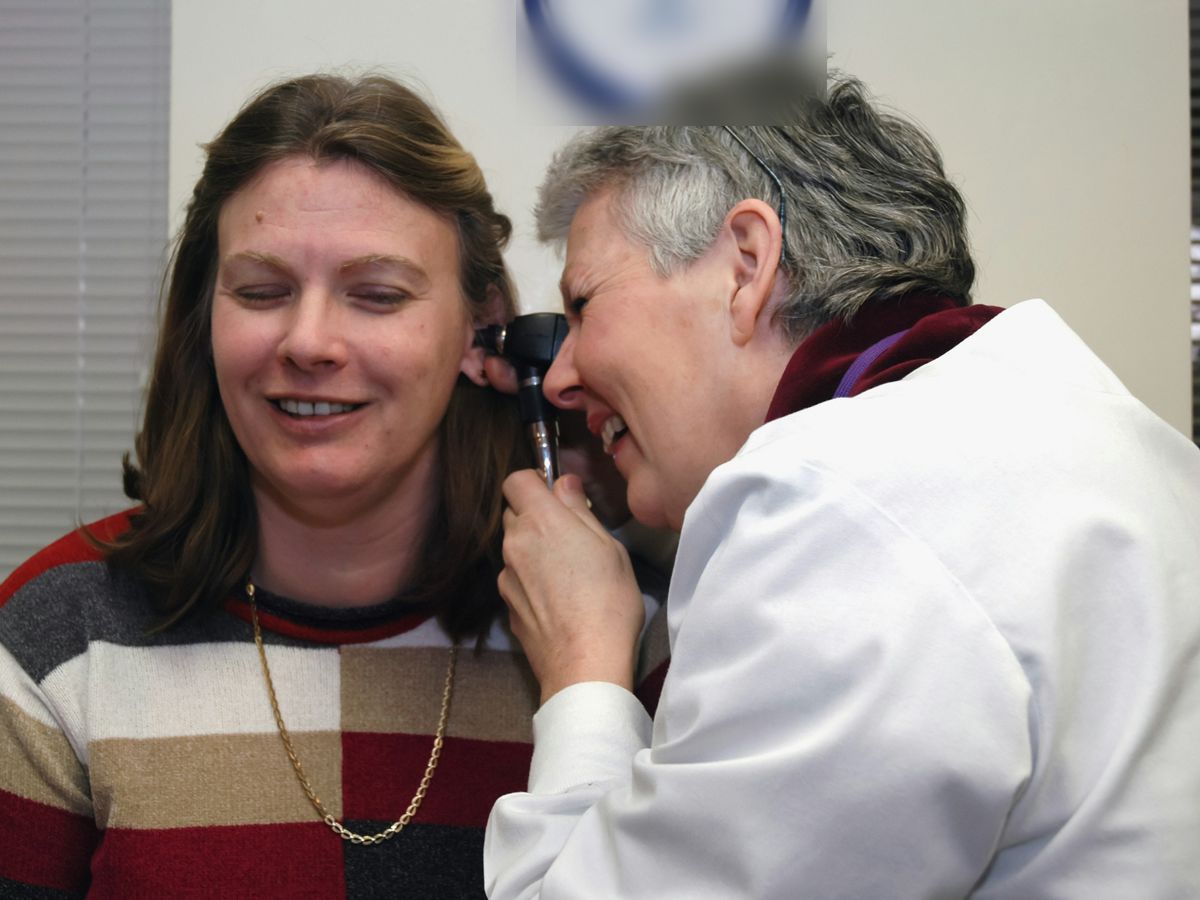
Sudden attacks of spinning vertigo with a full, ringing ear and hearing that dips. Studies look at what sets the attacks off and how to protect hearing.
Brief, severe jolts of pain along the cheek, jaw or forehead, often set off by a light touch. Studies look at calming the nerve and at procedures that take pressure off it.
A heart rate that jumps and a head that swims soon after standing, with good days and bad ones. Studies look at blood volume, nerves and ways to steady the body upright.
Raised, itchy welts that appear, fade within hours and turn up somewhere else, often for months. Studies look at the cells behind the itch and at calming the welts for longer.
Sharp chest pain from inflammation of the sac around the heart, returning weeks or months after it settled. Studies look at calming the inflammation and holding off the next return.

Plain explanations of research on six conditions that arrive as attacks or spells: what studies look at, how they catch an episode on record, and what a calm visit is for.
Occasional emails, and texts only if you ask for them, about research near your ZIP code in the one area you picked. Every message comes straight from Patient Charter.
Picking up the phone to a study team, or not. Patient Charter passes no one’s details to a study, and the people running each study decide who can join it.
Updates stay close to home: they cover research near the ZIP code on your form.
Reply STOP to any text and the texts end, with one note to confirm it.
Four steps, and only the first two involve us. Nothing about your health passes through Patient Charter at any point.
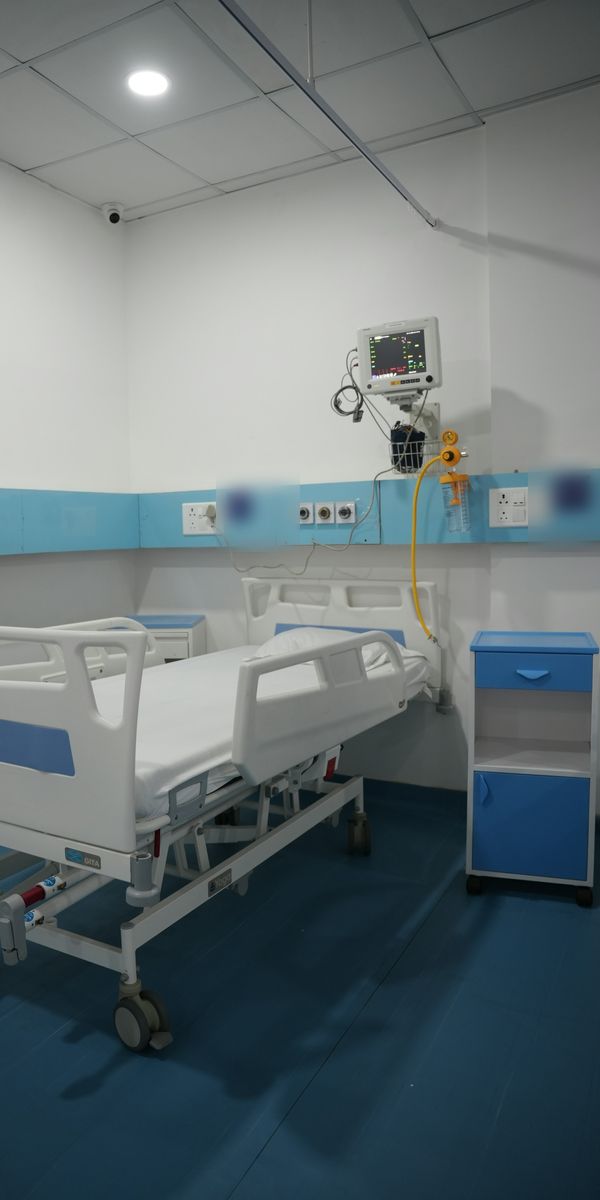
An episode is the reason for the research, and it rarely falls on a visit day. Drag the line to see both sides of the same clinic.

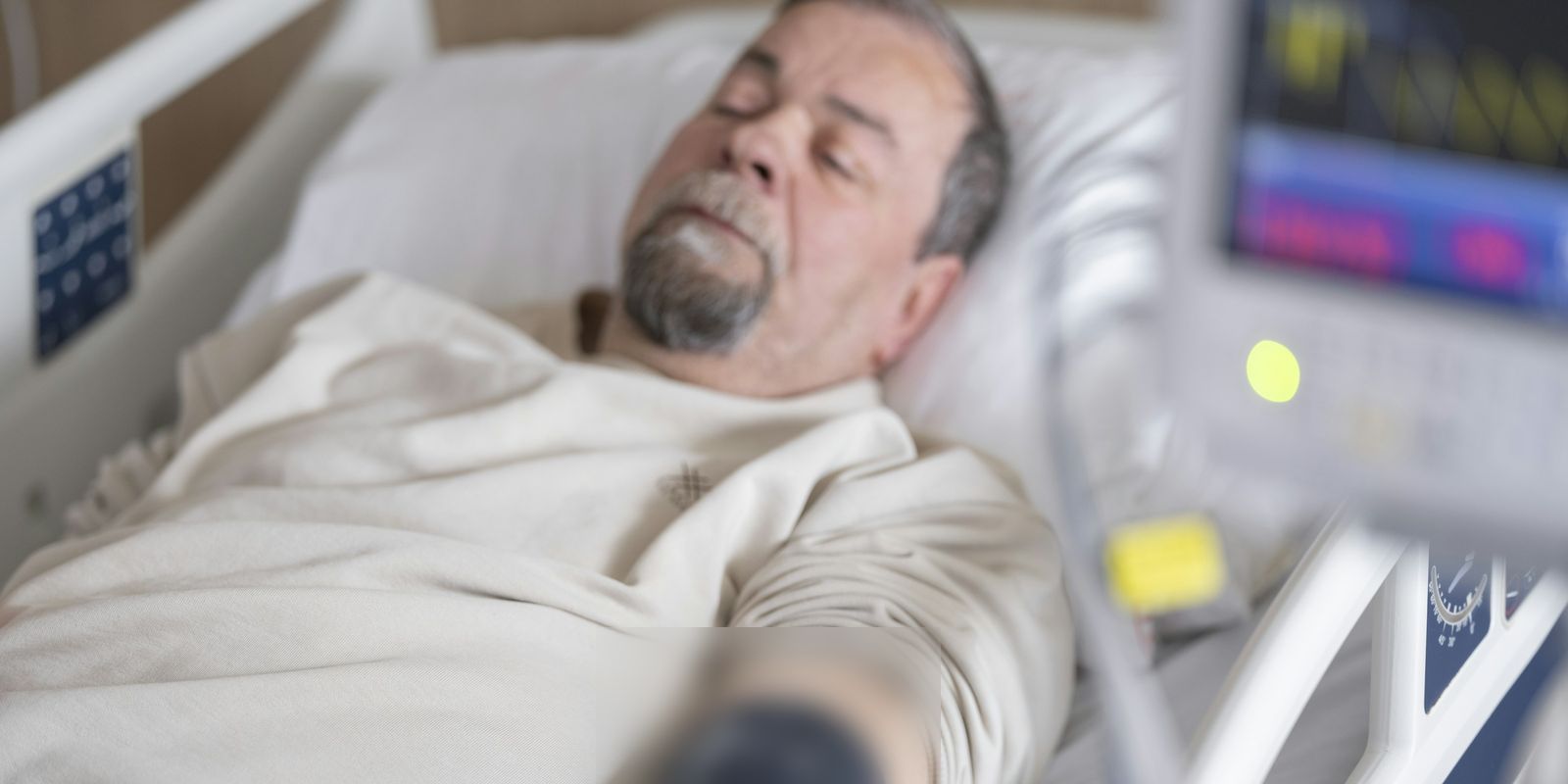
Some studies ask you to get in touch when an attack starts, so it can be recorded while it is happening.
Most visits fall on ordinary days, when the study checks how you are doing and what has changed.

Why episodes are hard for research to catch
Read the guideThe two questions episodic research asks
Read the guideStudy visits between episodes, when you feel well
Read the guideGetting in touch with a study as an episode starts
Read the guideSign up
Tell us the one condition you follow and where you live, by ZIP code. Emails arrive now and then about research in that area close to home; texts only start if you tick that box.
Patient Charter will email you now and then about research near your ZIP code in the area you chose. If you ticked the text box, a first text arrives to confirm your number; reply STOP to any text to end them.
Read the guides